
EN

Physician-guided approaches to targeted biological pathways, selected according to your health goals, clinical context and available evidence.
Peptides and other bioactive factors work through different biological pathways. Be.U begins with the health goal — then determines whether a peptide, another bioactive factor or a different medical pathway deserves consideration.
Request a Medical Review →Peptides and longevity bioactive factors can both influence specific biological pathways, but they are not the same category of medical tool.
 01
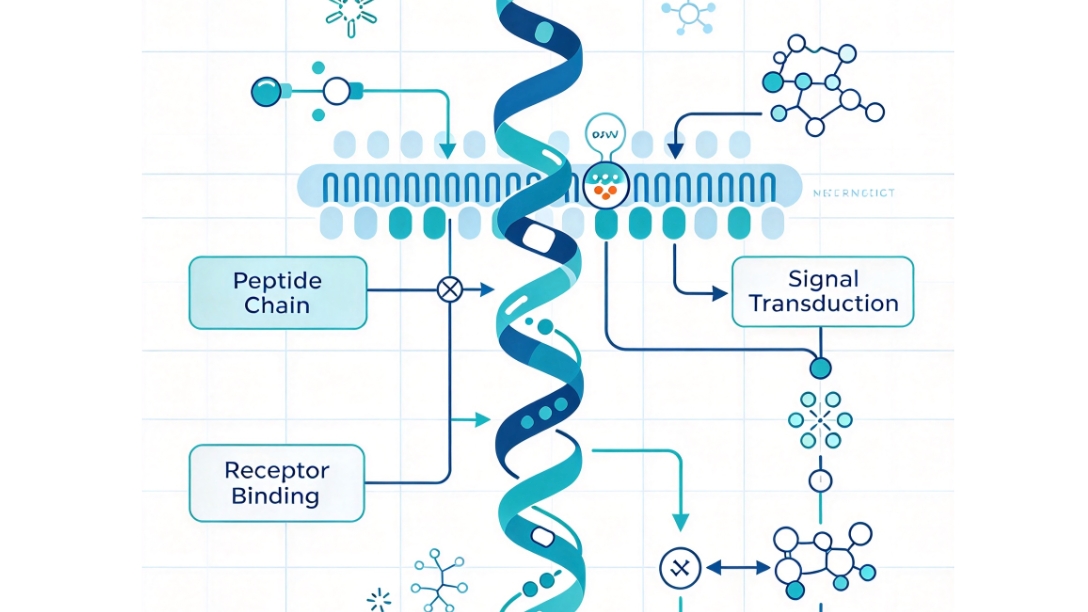
Short chains of amino acids that can act as signaling molecules in specific biological pathways.
 02
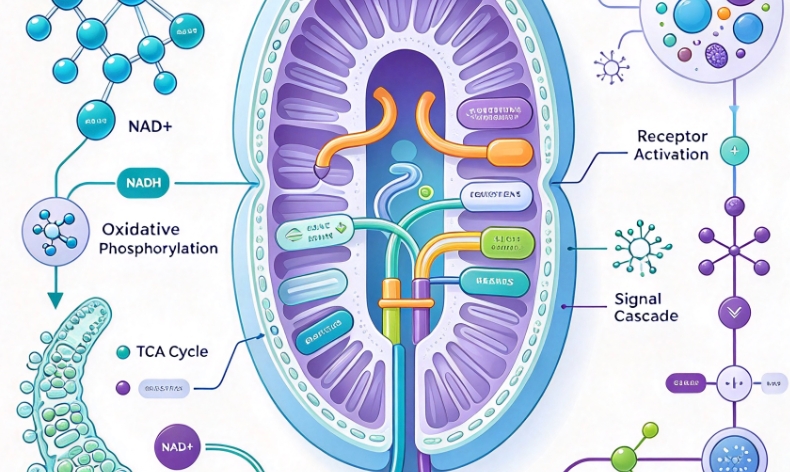
A broader group of compounds considered according to pathways such as cellular energy, metabolism, appetite, growth signaling or cognition.
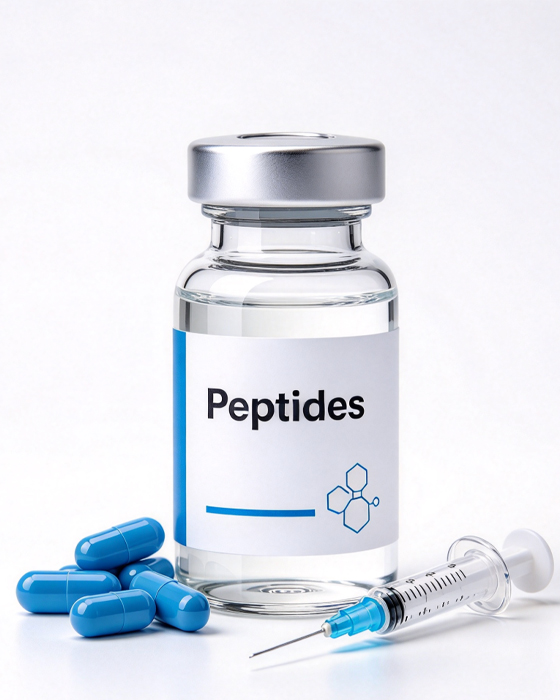
Short chains of amino acids that can act as highly specific biological messengers.
Peptides occur naturally throughout the body and participate in many signaling processes. Different peptides have different structures, targets and biological effects — which means “peptide therapy” is not one standardized treatment.
Different peptides carry different biological messages.
A peptide relevant to one clinical goal may not be relevant to another.
Suitability, formulation, route, dose and monitoring depend on the specific peptide and clinical setting.
Longevity bioactive factors are grouped by the biological pathway they influence — not by a single “anti-aging” label.
Selected pathways under study or clinical use for cognition, focus and neurological function.
Support the NAD-related metabolic pathway involved in cellular energy and signaling.
Pathways involved in appetite, energy balance and metabolic regulation.
Pathways associated with growth-related signaling, recovery and body composition.
Availability, formulation and regulatory status may vary by product and jurisdiction.
Advancing regenerative medicine
through science and care.
Emailbeuwellness.bkk@gmail.com
Address1798 Debaratna Road, Bang Na, Bangkok 10260.
