
Understand Your Health Story
Medical & Family History · Current Concerns · Previous Treatments · Medications · Lifestyle · Personal Health Goals
Your history, current concerns, available data and health goals form the starting point for physician judgment.
Request a Medical Review →Before Building a Plan, Build the Right Health Picture
Medical & Family History · Current Concerns · Previous Treatments · Medications · Lifestyle · Personal Health Goals
Depending on the individual, this may include laboratory data, imaging, body composition, hormonal or metabolic information, functional or specialized testing, and existing high-quality medical records.
What deserves attention · What needs clarification · What can be followed over time
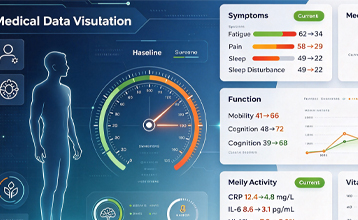
Tests create information. Physicians determine its relevance. The medical team connects findings with the patient's history, identifies priorities and decides whether the appropriate next step is monitoring, further assessment, treatment or specialist input.
A result is considered alongside symptoms, medical history, medications, other findings and changes over time.
From One Medical Review to Continuing Health Management
Your health changes over time. Your medical strategy should be able to evolve with it.



Advancing regenerative medicine
through science and care.
Emailbeuwellness.bkk@gmail.com
Address1798 Debaratna Road, Bang Na, Bangkok 10260.