
EN
Explore Be.U’s physician-led cellular and regenerative medicine pathways, supported by medical assessment, laboratory quality, traceability and evidence-aware decision making.
Request a Regenerative Medicine Review →"Regenerative medicine" is an umbrella term. The technologies within it work differently and should not be treated as interchangeable versions of the same therapy.

Living stromal cells studied for their signaling, paracrine and immunomodulatory properties within regenerative medicine.
Explore MSC →
Living immune cells with different roles in surveillance, recognition, immune response and immune memory.
Explore Immune Cell Therapy →
Nanoscale vesicles released by cells that participate in cell-to-cell communication by carrying biological cargo.
Explore Exosomes →MSCs are living multipotent stromal cells studied for their role in cellular signaling, paracrine activity and immune modulation.
MSCs can be obtained from different tissue sources, and their characteristics can vary according to source, donor, processing, culture conditions and manufacturing methods.
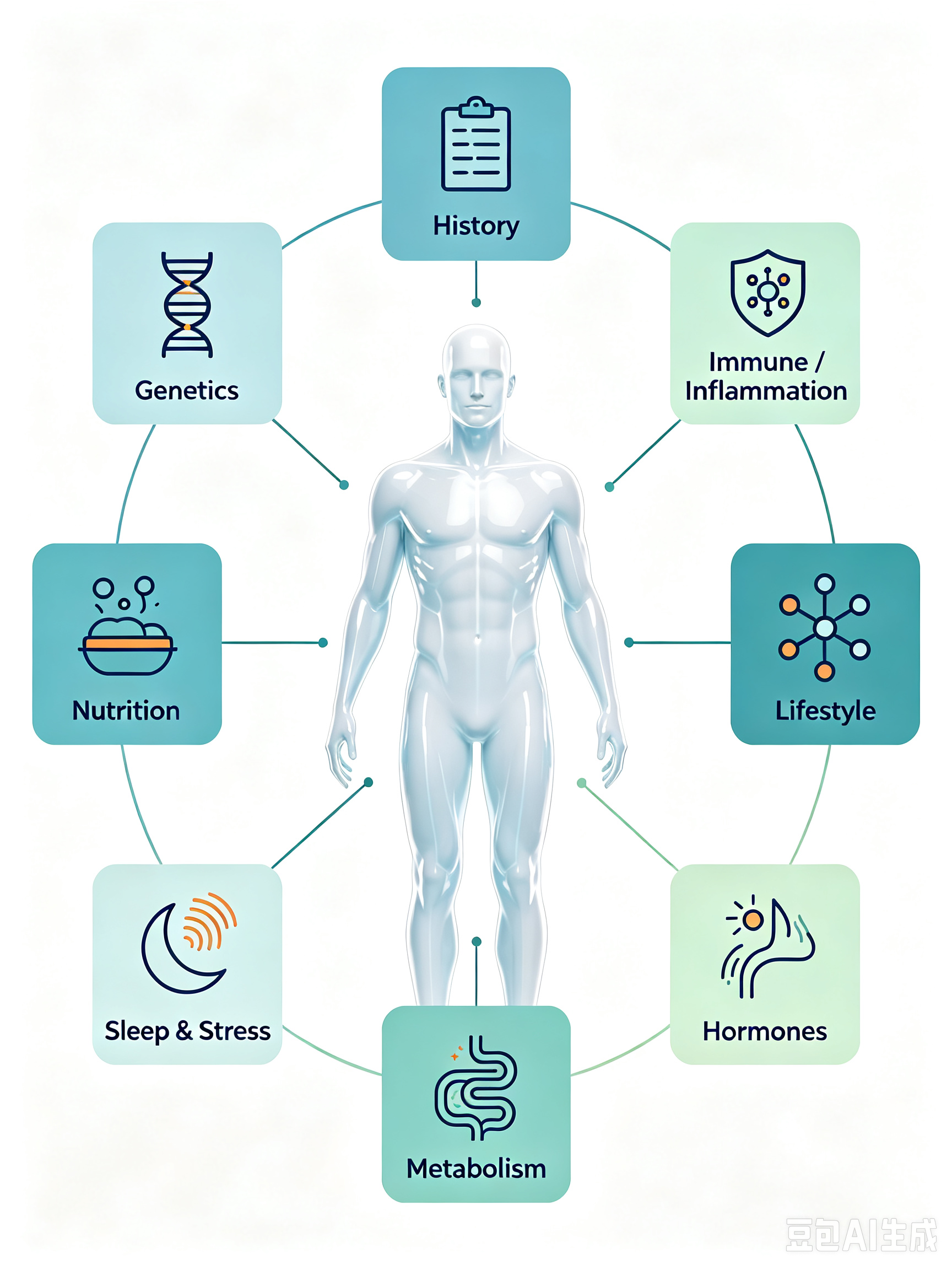
MSCs can release biologically active signals that influence surrounding cells and tissues.
Many regenerative effects under study involve factors released by MSCs rather than simple replacement of damaged cells.
MSCs are studied for their interactions with inflammatory and immune pathways.
At Be.U, the MSC pathway connects physician review, documented sourcing, laboratory quality control, traceable clinical delivery and follow-up.

Review the medical goal, health history, relevant testing and factors that may affect eligibility or risk.

Confirm cell source documentation, donor or material screening, manufacturing records, and the applicable cGMP, FACT and FDA-related standards.

Review identity, phenotype, viability, sterility, contamination testing, endotoxin, mycoplasma, batch documentation and other release criteria for the specific product and laboratory process.
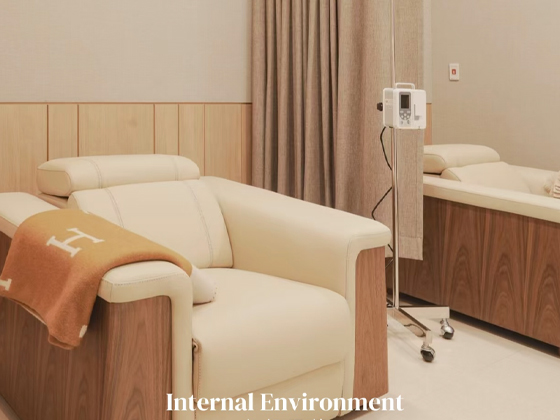
Administration is determined by the medical objective, protocol and verified clinical capability — not by a standard "one route fits all" package.
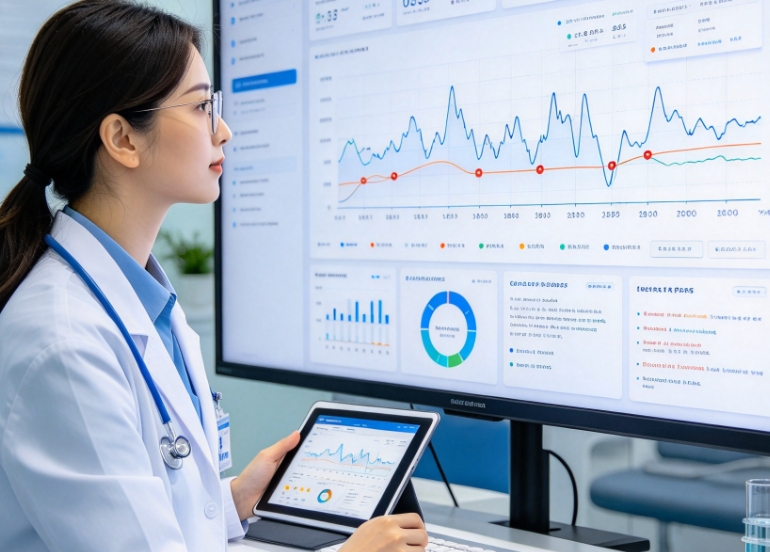
The Be.U medical team plans follow-up according to the purpose of care, clinical response and individual medical plan.
Where did the cells come from?
What quality information supports this preparation?
Who reviewed, prepared, handled, delivered and followed the treatment?
The immune system depends on different cell populations working together in surveillance, recognition, response and memory.
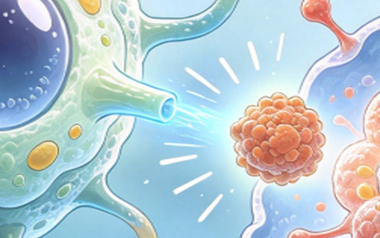
Rapid immune surveillance.
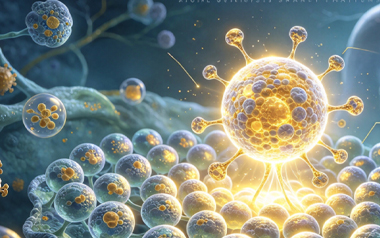
Adaptive immune response.
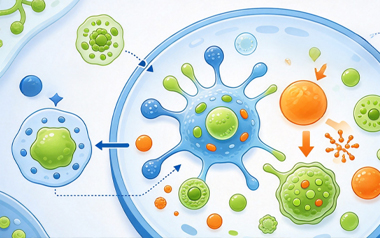
Antigen presentation and immune direction.
Cell type, medical purpose, preparation method and clinical evidence need to be evaluated separately.
Small extracellular vesicles involved in cell-to-cell communication — and an emerging area of regenerative research.
Exosome research spans regenerative biology, immune signaling and drug-delivery research.
Source, manufacturing method, characterization, sterility and batch documentation can differ substantially between products.
Regulatory status differs by jurisdiction and by product.
What are you hoping to understand or address?
What evidence and product information are relevant to the proposed pathway?
A physician can determine whether regenerative medicine deserves further discussion — and which pathway, if any, is appropriate.
Advancing regenerative medicine
through science and care.
Emailbeuwellness.bkk@gmail.com
Address1798 Debaratna Road, Bang Na, Bangkok 10260.
