
EN
Physician-led approaches to blood, plasma and metabolic burden — selected according to measurable clinical needs.
Request a Blood & Metabolic Review →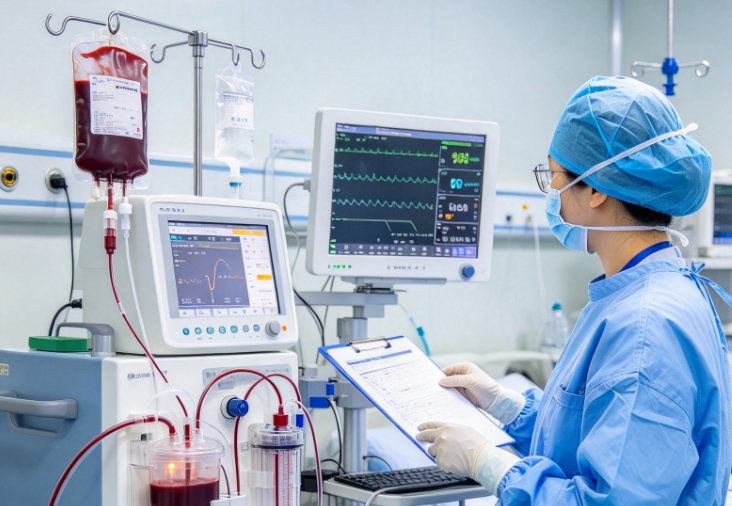
Double Filtration Plasmapheresis
A plasma filtration procedure considered for specific medical indications, not a routine treatment for everyone with high cholesterol.

Heavy Metal Chelation Therapy
Chelation may be considered for certain confirmed metal toxicities; the decision depends on exposure, appropriate tests and clinical findings.
Ozone Autohemotherapy
An autologous blood procedure involving oxygen–ozone exposure outside the body; clinical evidence and regulatory status vary by use.
DFPP uses two filtration stages to separate and filter selected plasma components. It is not dialysis or a general-purpose “detox” treatment.
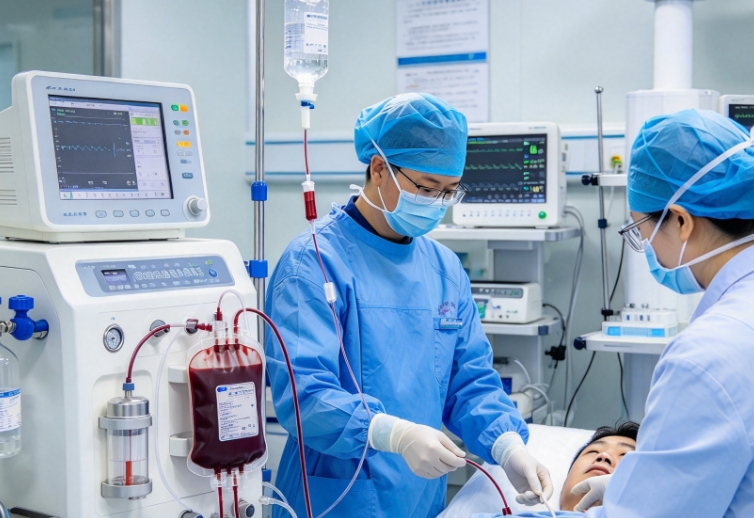
Double Filtration Plasmapheresis (DFPP) is an extracorporeal blood purification technique. Blood cells are first separated from plasma, then the plasma passes through a second selective filter before appropriate components are returned. Unlike standard therapeutic plasma exchange, DFPP uses two-stage filtration rather than removing and replacing plasma as a whole.
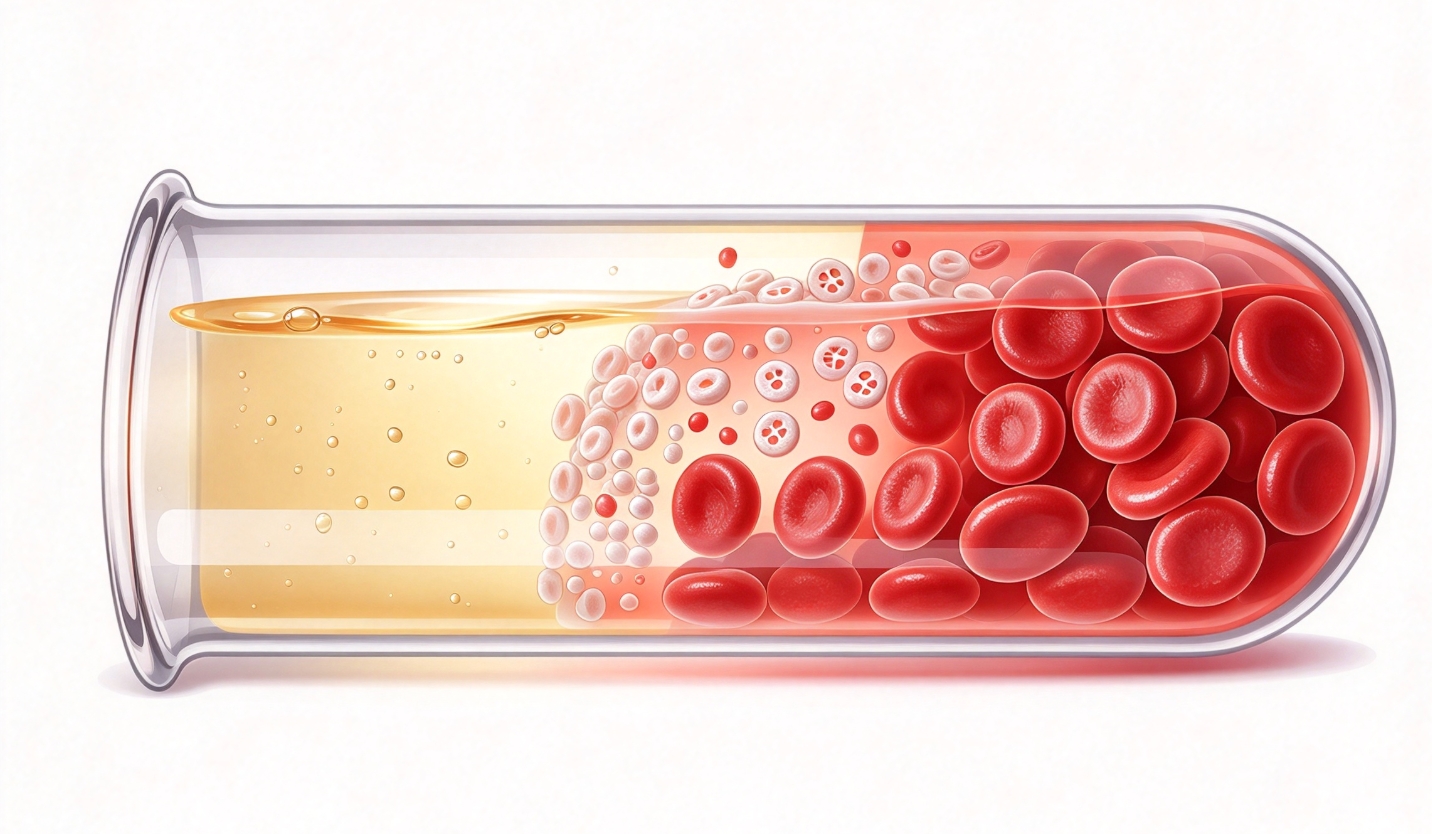
The first membrane separates cellular blood components from plasma.
→
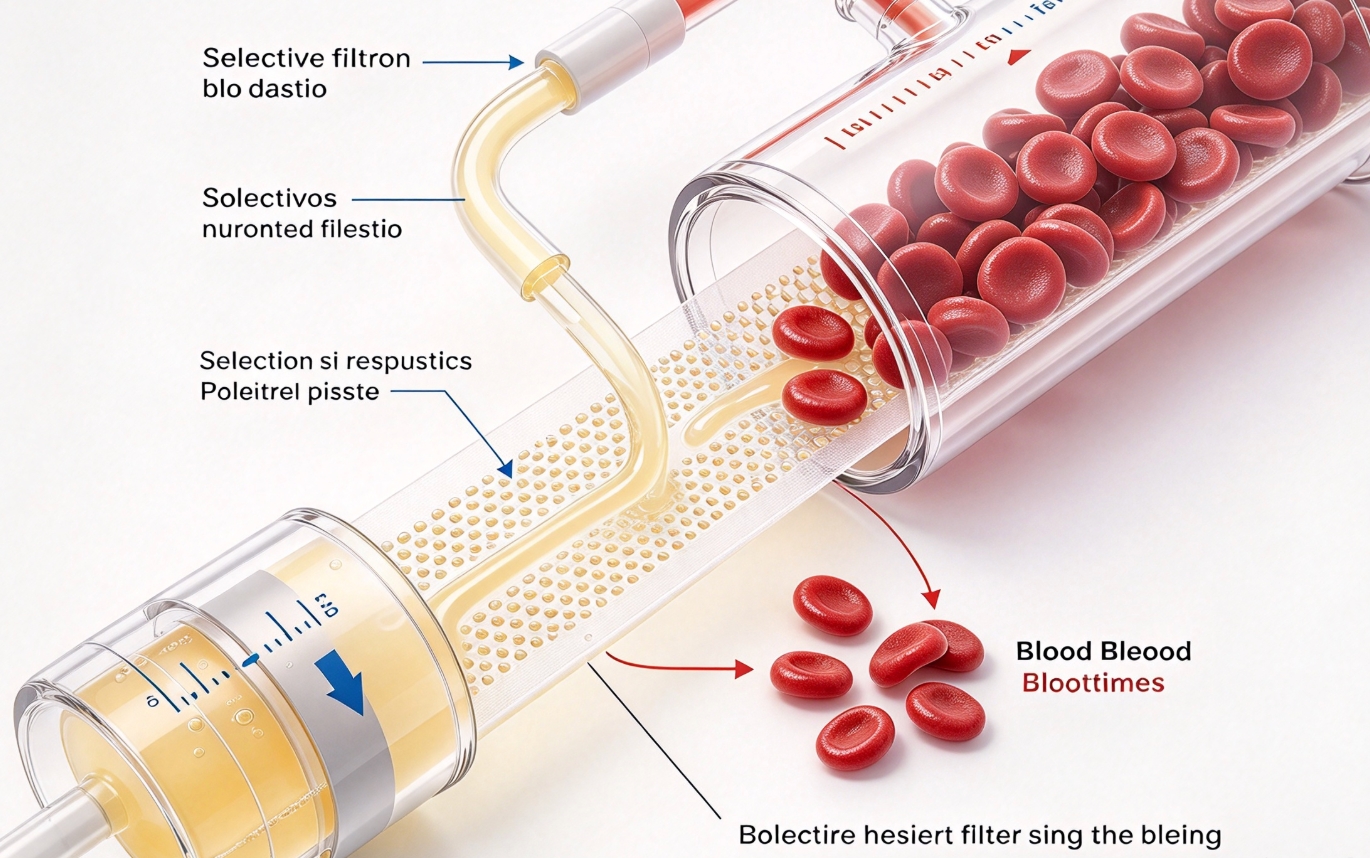
The second membrane targets larger plasma components according to membrane characteristics and treatment goals.
→
Treated plasma and blood cells are returned to the circulation according to the protocol.
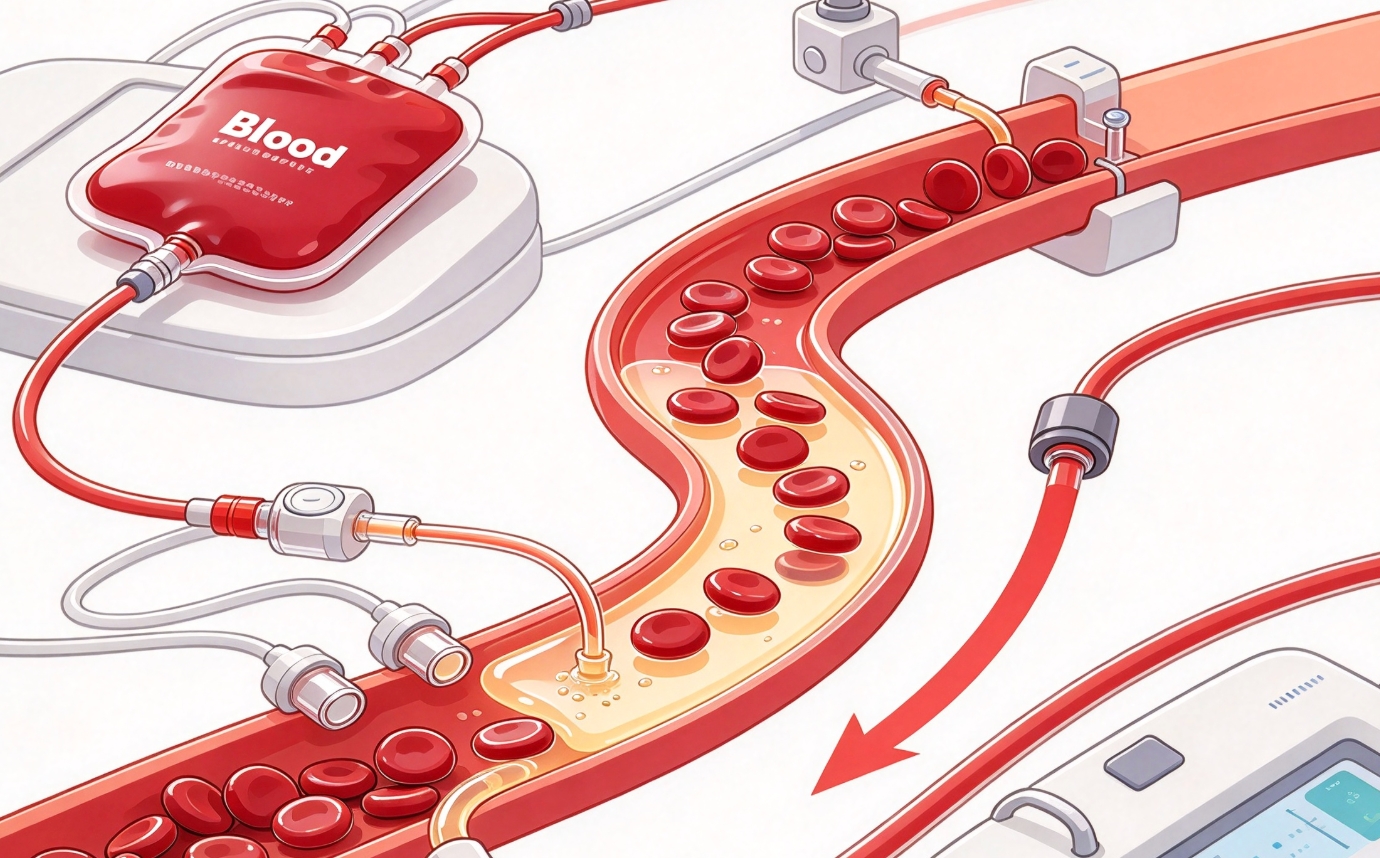
Dialysis primarily replaces impaired kidney filtration of waste, fluid and electrolytes. DFPP works on the plasma compartment and selectively filters larger plasma molecules.
The procedure is only one part of the pathway. Assessment, individualized planning, monitoring and follow-up determine how DFPP fits into the broader medical plan.
Build the baseline with medical history and laboratory review.
Interpret suitability, goals and treatment parameters.
Perform DFPP with individualized clinical oversight.
Measure what changed with laboratory markers.
Compare baseline and post-treatment results.
Decide what comes next based on response.
Plan follow-up and ongoing monitoring.
Request a review to determine whether DFPP is appropriate for you.
Contact →Chelation is a targeted medical treatment for specific metal burdens — not a general detoxification drip.
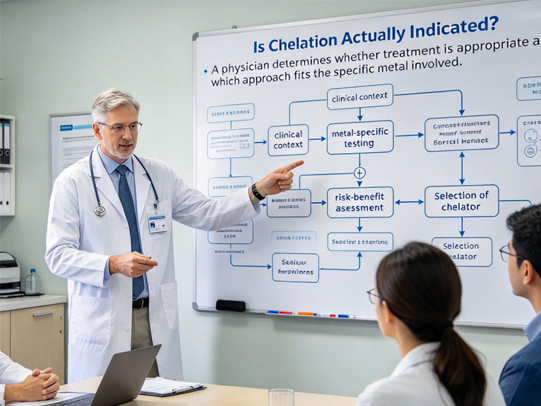
Review occupational, environmental or other relevant exposure history.
→
Interpret appropriate test results together with symptoms and medical context.
→
A physician determines whether treatment is appropriate and which approach fits the specific metal involved.
Protocols, indications and evidence quality vary. Ozone therapy should not be presented as a universal detoxification, anti-aging or disease-curing treatment.
LET US REVIEW THE CASE.
Advancing regenerative medicine
through science and care.
Emailbeuwellness.bkk@gmail.com
Address1798 Debaratna Road, Bang Na, Bangkok 10260.
